



Feng Shui principles in interior design
In our quest for happiness, we often overlook the impact our surroundings can have on our well-being. A cluttered and disorganized space can lead to a chaotic mind, hindering our ability to find peace and harmony. That's where the ancient practice of feng shui comes in. Feng shui is not just another interior design trend; it's a centuries-old Chinese philosophy that focuses on the placement and positioning of elements to invite positivity and balance into a room. By harnessing the power of feng shui, you can improve not only the aesthetics of your interior but also various aspects of your life, including mental and physical health, relationships, and success. In this article, we will explore the principles of feng shui decorating and provide you with practical ideas to enhance your interior and create a harmonious living space.
The Power of Feng Shui Decorating
Feng shui decorating goes beyond mere aesthetics and comfort; it aims to create a positive energy flow, known as chi, in your living space. By incorporating feng shui principles into your interior design, you can significantly improve multiple areas of your life. From the bedroom to the living room, from the entryway to the home office, every space can benefit from the balance and harmony that feng shui brings. Let's explore some feng shui decorating ideas that you can easily implement in your own home.
Creating Height and Expansion
According to feng shui principles, height represents expansion and growth. If you want to achieve personal growth and invite positive energy into your space, consider incorporating vertical lines and shapes into your interior design. Here are some ways you can achieve this:
1. Tall Bookshelves: Line a wall or two with tall bookshelves to create a sense of height and add a visual point of interest to the room.
2.Indoor Trees: Place a tall indoor tree in a corner to lengthen a wall and bring nature indoors.
3.Vertical Wall Accents: Install vertical wall accents, such as wood slats, to create a sleek and earthy visual illusion.
4.Accent Lighting: Incorporate additional accent lighting in spaces to create the illusion of upward light flow.
5. Feng Shui Wall Art: Hang feng shui wall art high on the wall to create a sense of height and encourage upward energy flow.
By implementing these feng shui decorating ideas, you can create a sense of expansion and growth in your living space, promoting positive energy flow and a harmonious environment.
Incorporating the Five Elements
In feng shui, the five elements - fire, water, earth, wood, and metal - play a significant role in creating balance and harmony. Each element holds unique powers and associations. Understanding these associations can help you incorporate the elements into your interior design effectively. Let's explore the characteristics of each element and how you can integrate them into your decor:
Fire Element
The fire element is associated with inspiration and clarity. It is represented by shades of red, triangular shapes, and fire-inspired materials. To incorporate the fire element into your interior, consider:
1. Adding touches of red through accessories, such as throw pillows or artwork.
2. Incorporating triangular shapes in your furniture or decor, such as a triangular coffee table or artwork.
3. Using fire-inspired materials, such as candles or a fireplace, to create a focal point in the room.
Water Element
The water element is associated with intuition and depth. It is represented by shades of black, formless shapes, mirrors, and water-inspired materials. To incorporate the water element into your interior, consider:
1.Adding touches of black through accent pieces, such as a black rug or curtains.
2.Incorporating formless shapes in your decor, such as a round mirror or a flowing waterfall painting.
3.Placing mirrors strategically to reflect natural light and create a sense of depth in the room.
Metal Element
The metal element is associated with precision and beauty. It is represented by metallic and white colors, round shapes, and metal materials. To incorporate the metal element into your interior, consider:
1.Using metallic or white accents, such as silver vases or a white marble countertop.
2.Incorporating round shapes in your furniture or decor, such as a round dining table or a circular mirror.
3.Adding metal materials, such as stainless steel or copper, to create a modern and polished look.
Wood Element
The wood element is associated with healing and growth. It is represented by shades of teal and green, column shapes, and plant materials. To incorporate the wood element into your interior, consider:
1.Adding pops of teal or green through accent pillows or curtains.
2.Incorporating column shapes in your furniture or decor, such as a tall bookshelf or a wooden column.
3.Bringing in plants and trees to create a sense of vitality and growth in the room.
By incorporating the distinct characteristics of the five elements into your decor, you can create a harmonious and balanced living space that promotes positive energy flow and well-being.
The Power of Indoor Plants
One of the simplest and most effective ways to improve feng shui in your interior design is by adding indoor plants. Plants are synonymous with life-giving energy and can contribute to a space's vibrancy and freshness. However, it's essential to choose the right plants and position them strategically to strengthen the desired type of chi. Different plants have different energies and can affect the atmosphere in various ways. Here are a few tips for incorporating indoor plants into your feng shui decor:
1.Research Plant Energies: Before visiting your local nursery, do some research on the energies associated with different plants. Some plants, like bamboo or money trees, are believed to bring wealth and prosperity, while others, like lavender or snake plants, are known for their calming properties.
2.Positioning is Key: Place plants strategically in your space to enhance the flow of positive energy. For example, placing a plant near the entrance can attract positive energy as soon as you walk into the room.
3.Choose Healthy Plants: Opt for healthy and vibrant plants to ensure they bring positive energy into your space. Avoid plants that are wilting or have dead leaves, as they can disrupt the flow of chi.
By incorporating indoor plants into your feng shui decor, you can create a vibrant and harmonious living space that promotes positive energy flow and well-being.
The Role of Mirrors and Mantels
In feng shui decorating, mirrors play a significant role in enhancing the energy flow in a space. Mirrors are considered water elements and can balance out fire elements, such as a fireplace, by reflecting light and energy. When placed strategically, mirrors can have various effects on the energy flow in a room. For example:
Hanging a mirror above a fireplace can result in good energy flow, as the mirror balances out the fire element.
Placing a mirror near a window can reflect natural light and create a sense of spaciousness in the room.
Using mirrored furniture or decor can create a sense of depth and enhance the flow of energy.
When incorporating mirrors into your feng shui decor, consider the location of the mirror and the specific Bagua sector it falls into. The Bagua refers to the feng shui energy map consisting of eight areas and a central space. By strategically placing mirrors, you can enhance the positive energy flow in your living space and create a harmonious environment.
Practical Tips for Feng Shui in Interior Design
Now that we have explored various feng shui decorating ideas, let's dive into some practical tips that can help you enhance the energy flow in your home:
Clear Up the Clutter
Before diving into feng shui interior design, it's crucial to declutter your space. Clutter obstructs the flow of energy and hinders the benefits of feng shui. Take the time to declutter and organize your home, creating a clean and open environment that allows for positive energy flow.) and yang (bright light) energy is essential for a balanced and healthy living space. Invest in effective window treatments that allow you to control the flow of natural light in your home. For example, consider using quality blackout cu
Embrace Natural Light
Exposure to both yin (dim, low lightrtains that can provide a restful night's sleep while allowing plenty of sunshine to stream in when thrown open. Striking the right balance between natural light and artificial light is key to creating a harmonious environment.
Reorganize the Room
The placement of furniture plays a crucial role in feng shui interior design. A room's layout affects the energy flow, so it's essential to consider how you move about the space. If a piece of furniture obstructs your movement or causes discomfort, it's time to reorganize. Aim for efficiency and create a layout that allows for easy navigation and a smooth flow of energy.
Make a Memorable Entrance
The entryway of your home is the first point of contact for yourself and your guests. It sets the tone for the energy flow throughout the house. Ensure that your entryway is neat, tidy, and attractive to welcome in positive energy. Consider incorporating practical feng shui home decor, such as a shoe and coat rack, to keep the space orderly. Aesthetic pieces, such as a rug, artwork, and indoor plants, can also make a huge difference in creating an inviting entrance.
Seek Professional Help
Achieving the right feng shui in interior design can sometimes be challenging, especially if you're new to the practice. If you feel overwhelmed or unsure about implementing feng shui principles in your space, consider seeking professional help. Interior designers with expertise in feng shui can guide you through the process, ensuring that you create a harmonious and balanced living environment.
In conclusion, feng shui decorating offers a powerful way to enhance your interior and improve various aspects of your life. By incorporating feng shui principles into your design, such as creating height and expansion, incorporating the five elements, using indoor plants, and strategically placing mirrors, you can create a harmonious and balanced living space. Remember to declutter, embrace natural light, reorganize your room, and create an inviting entrance to further enhance the flow of positive energy. With these practical tips and a little help from professionals, you can transform your home into a sanctuary that promotes well-being and happiness.

Special conditions of cooperation
Vintage rug collection has special conditions for cooperation with decoration galleries, showrooms and interior designers.
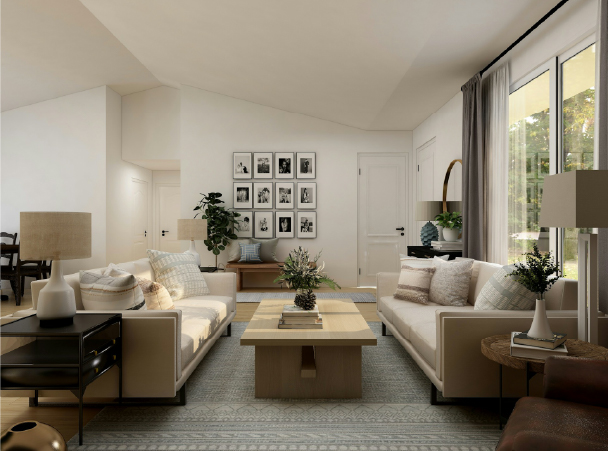
How Nude Tones Can Enhance Your Home's Design
Nude colours are one of those things that will just never go out of style. It’s been a staple in not only interior design, but in the world of make-up, fashion, and overall aesthetics.
Get Vintage News and Articles
Designed & Developed by NOAD.DIGITAL
Your Digital Partner