



A Look at the History of Interior Design and Decoration
The Origins of Interior Design
Interior design is the art of arranging the space, the colors, the furniture, the paintings, and all the visual elements that make up the interior of a home. Many of the fine art objects we see today in museums and art galleries were once intended for the design of a private home. Interior design has a long history, possibly dating back to the 7th century BC. Let’s examine what gave rise to the idea of interior design and how far it has progressed since its inception.
Objects in Interior Design
Historically, paintings were commissioned to size, and the painter could produce other crafts as home furnishings. Sculptor, working with bronze or other metals, provided metal ornaments to decorate and furnish the home.
The use of antiques as a luxury choice for interior design is now common, but was uncommon in earlier periods. Older pieces of furniture and decor were usually reserved for less-used rooms in the home, while the main, more busy rooms were decorated in the modern style of the day. People sought out new and vintage artwork to decorate their homes, but the traditional antique art trade was limited to paintings by famous masters and some valuable pieces made of gold. Architects of the past (and present) used interior design elements, including rugs, furniture, textile art, pottery, tapestries, ceramics, and silver pieces, in their designs. Pictures on cabinets, paintings specifically designed to fit in a specific area, such as the wall space above the sofa, were incorporated into architectural designs. Mirrors have traditionally been incorporated into interior spaces to make them appear more spacious than they are. Another element of interior design is the mural, which was often used during the 17th century (the Baroque period) like a mirror to make a room appear larger.
Throughout the history of interior design, only the homes of the wealthy, politicians, and important people were worthy of study and research. It was only in the very recent past that art galleries, museums, and scholars began to examine the furniture and decorations of ordinary people's homes. However, since curators and scholars studied these works in isolation, the purposes of household objects were sometimes not properly understood. This particular problem was exacerbated by the division within art circles between the fine arts and the industrial or decorative arts.
Since the 1840s, collectors who specialized in specific categories of antique furniture have been able to help preserve their meanings and uses. Collectors placed great value on decorative objects, such as silverware and objects such as Meissen porcelain figurines, and these objects were placed on shelves and in collections rather than for their original purposes.
History of Interior Design Around the World
Little evidence and information is available of decorative home furnishings until the 7th century BC. Cavemen living 20,000 years ago painted on cave walls, but these paintings may have had a purpose other than decoration. No examples of portable furniture have been found from prehistoric times.
The idea of interior design was shaped by the shift in human culture from a nomadic (nomadic) lifestyle to a sedentary agricultural one. Nomadic societies had little need for large collections of heavy and unwieldy items to carry around. However, the nomadic societies of Central Asia produced beautiful rugs and carpets for comfort and decoration in their portable shelters; among these cultures, rugs and carpets were considered the highest form of fine art. One of the oldest known examples of a rug dates back to the 5th century BC and is known as the Pazyryk carpet.
Fast forward to the 17th, 18th, and even early 19th centuries, and interior design had become almost the responsibility of the homeowner. While the occupants of the home were the ones responsible for designing and decorating the home, they sometimes enlisted the help of a craftsman such as a carpenter to create custom pieces for the home.
Design choices varied around the world and over time. By the early 20th century, design choices had become focused on function. This was exacerbated when the Great Depression began, and there was no room for decorative and ostentatious desires, and only what was needed to survive in the home became important. Many of these items are seen in modern furniture and mid-century modern interior designs. Eventually, the decorative arts became an important part of interior design. From the Bauhaus movement to the rise of modern art, designers of these functional objects began to be more creative in their work, producing something that was equally functional and aesthetically pleasing. Over time, this trend evolved to the point where entire living spaces became beautiful places to live, with hundreds of different design styles, and the art of decorating these spaces became a profession in its own right. Interior design has come a long way over the years, and we can’t wait to see where it goes in the future.

Special conditions of cooperation
Vintage rug collection has special conditions for cooperation with decoration galleries, showrooms and interior designers.
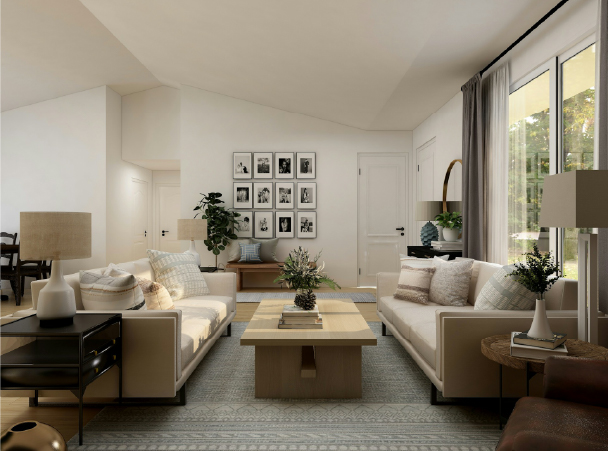
How Nude Tones Can Enhance Your Home's Design
Nude colours are one of those things that will just never go out of style. It’s been a staple in not only interior design, but in the world of make-up, fashion, and overall aesthetics.
Get Vintage News and Articles
Designed & Developed by NOAD.DIGITAL
Your Digital Partner